
Keep Illegal Blocks
1.4.3-mc1.20.6Prevent illegal blocks from breaking/updating when a player right-clicks on an adjacent block — KIB scans and restores blocks to avoid destroying your build
Keep Illegal Blocks
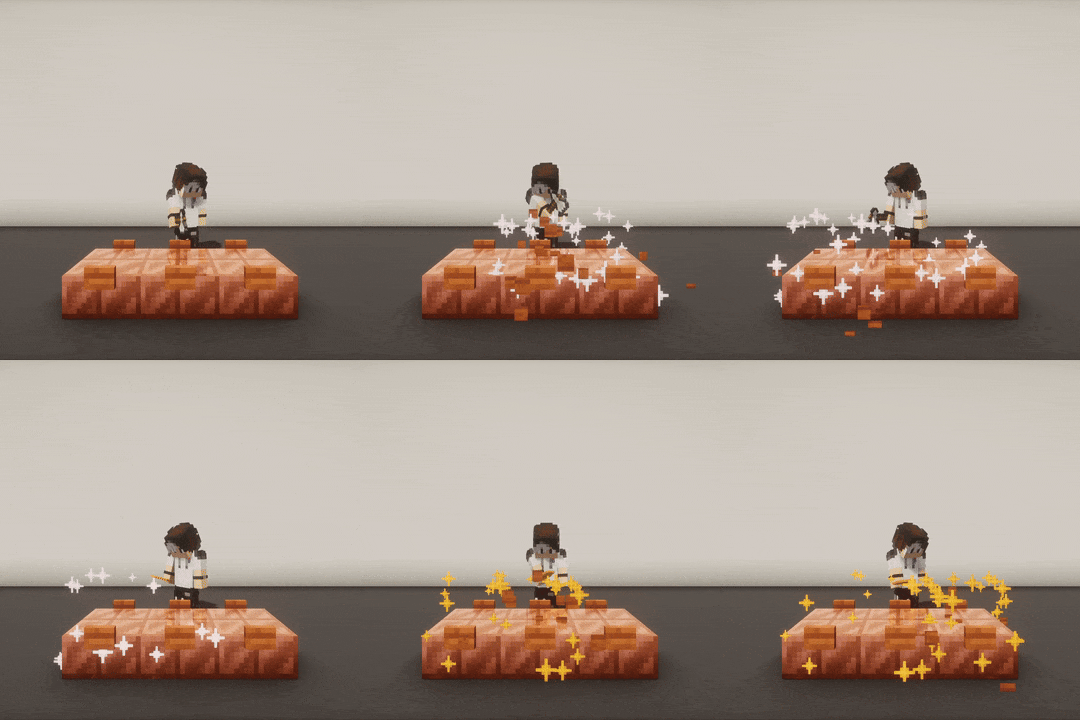
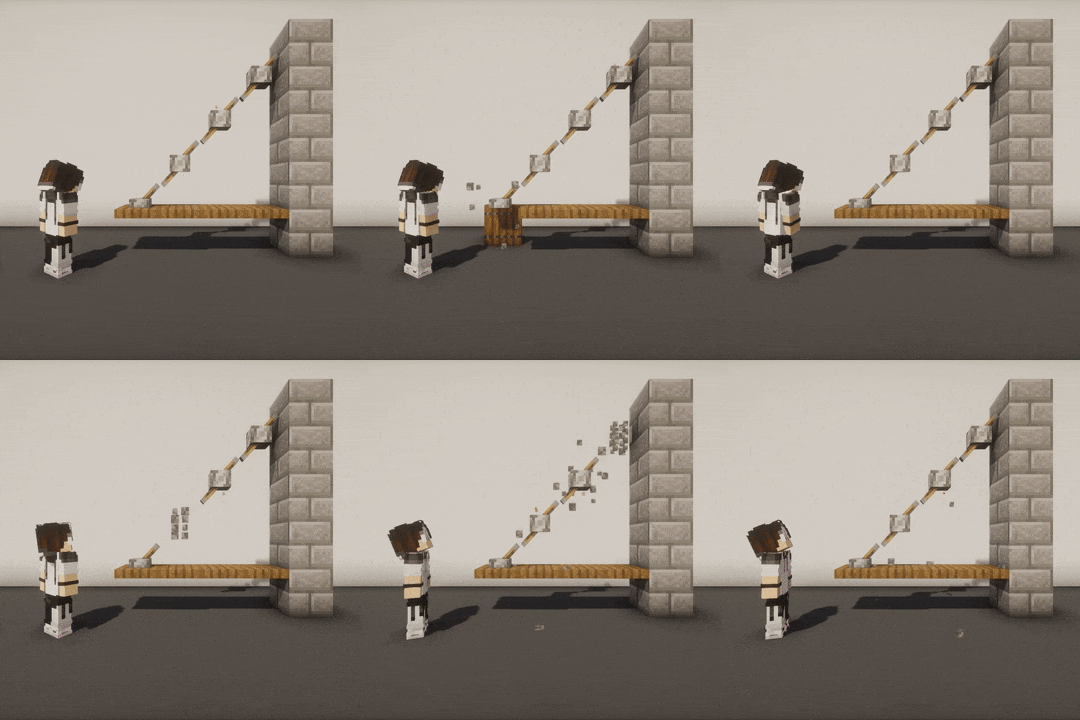
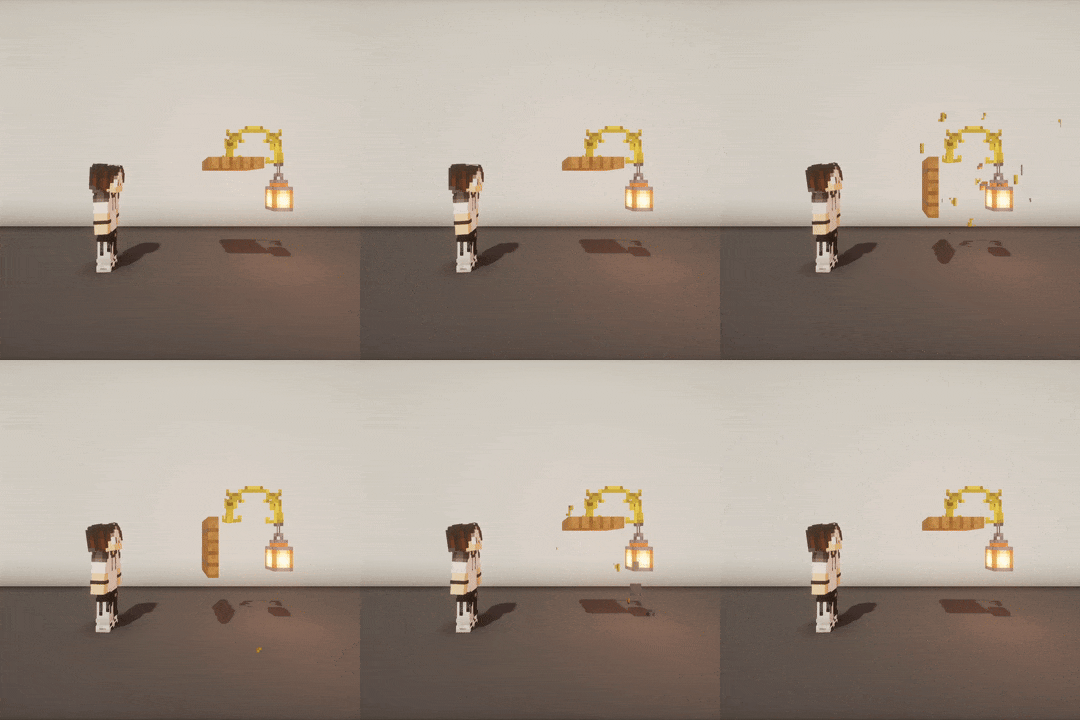
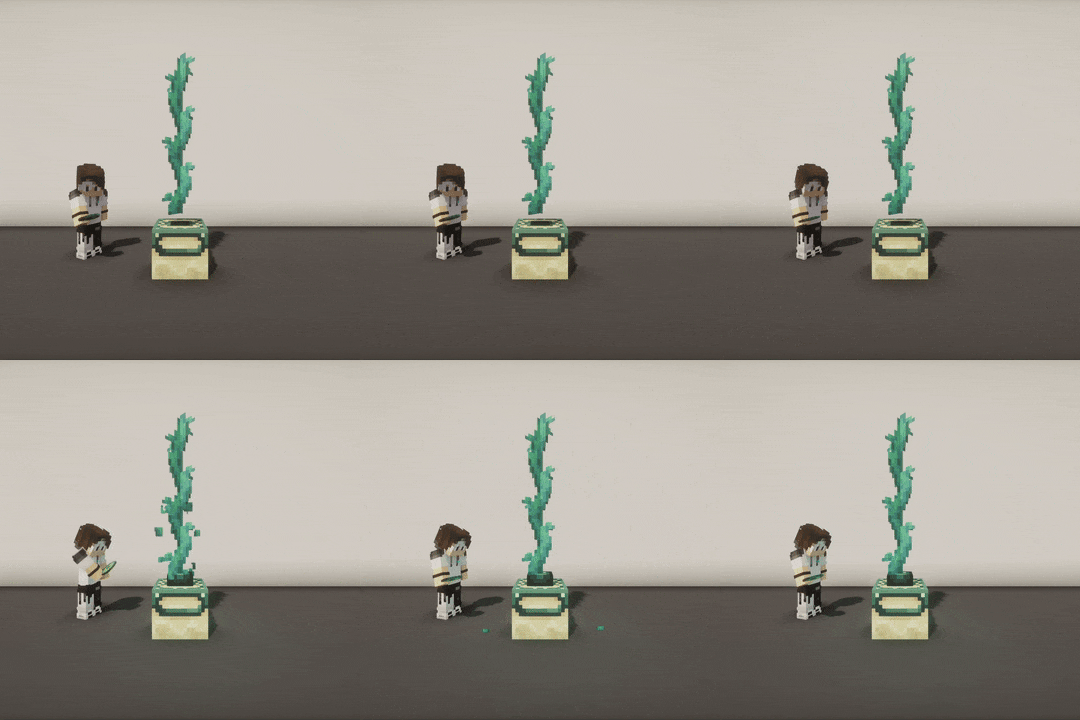
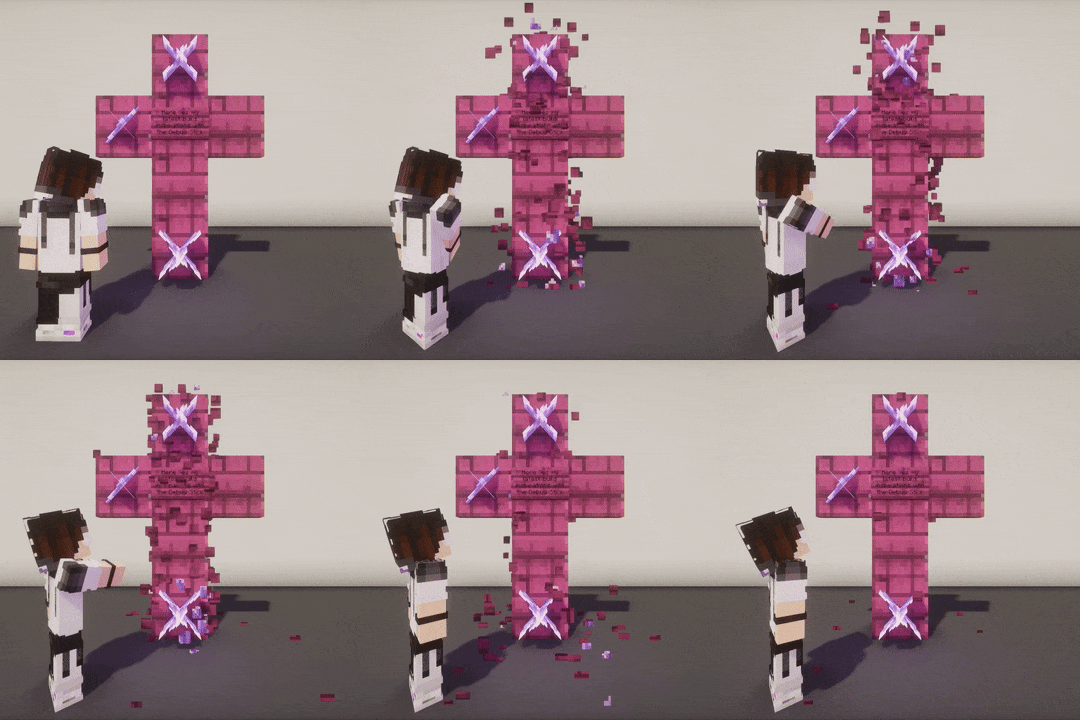
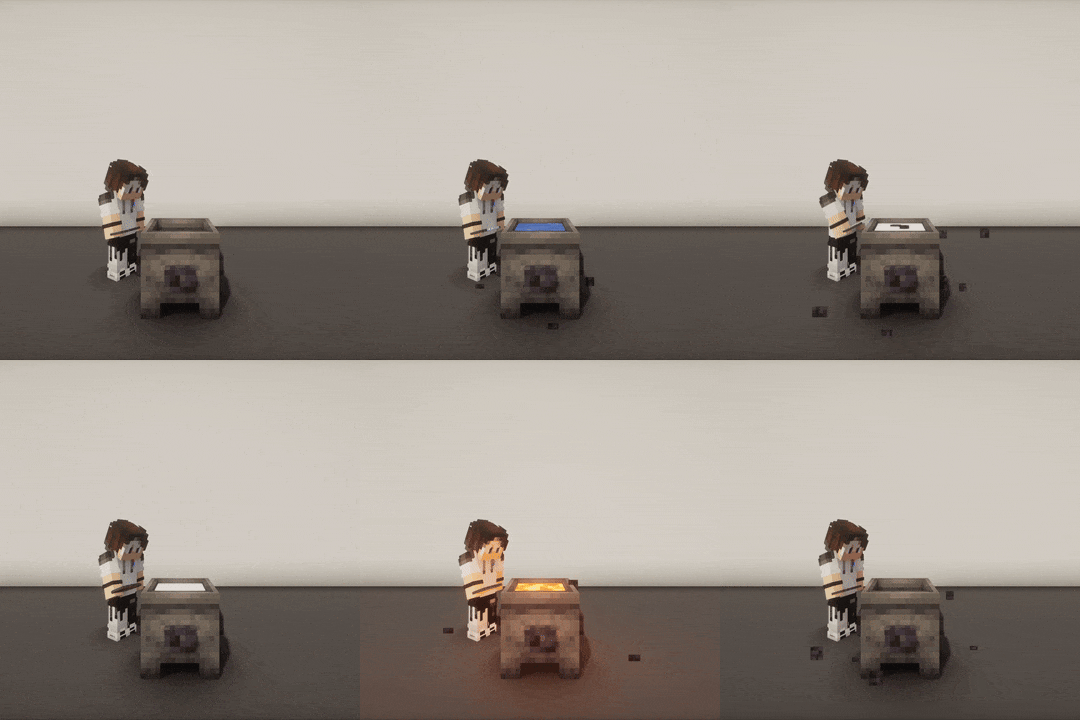
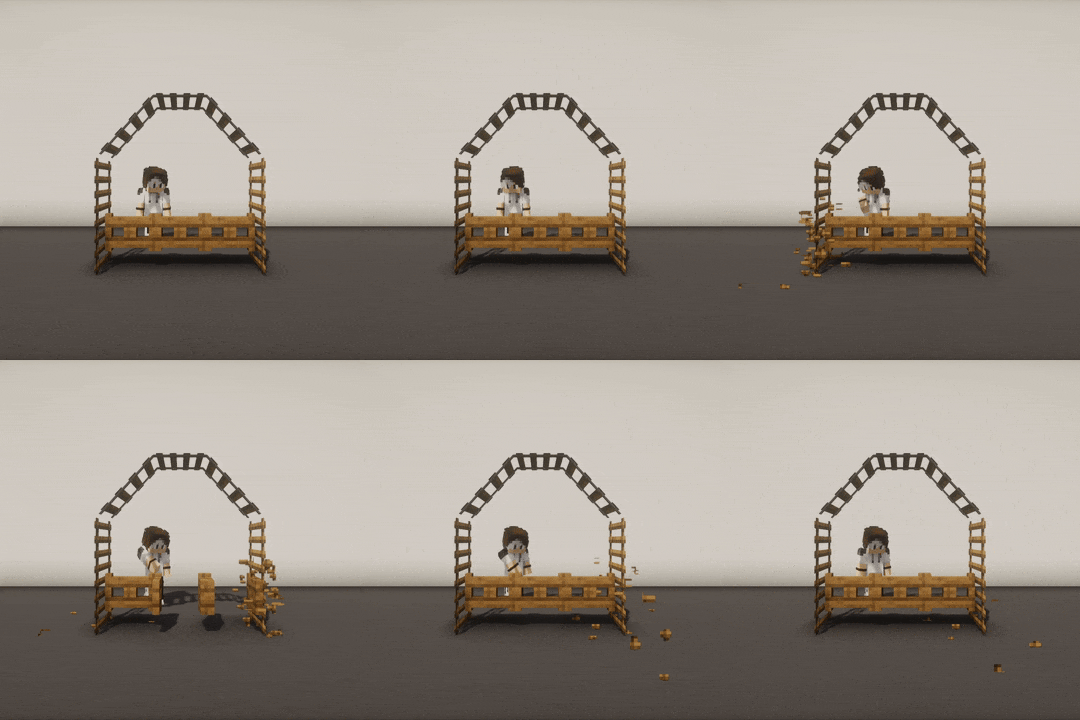
KIB is a Paper plugin that prevents illegal blocks from breaking when a player interacts with an adjacent block.
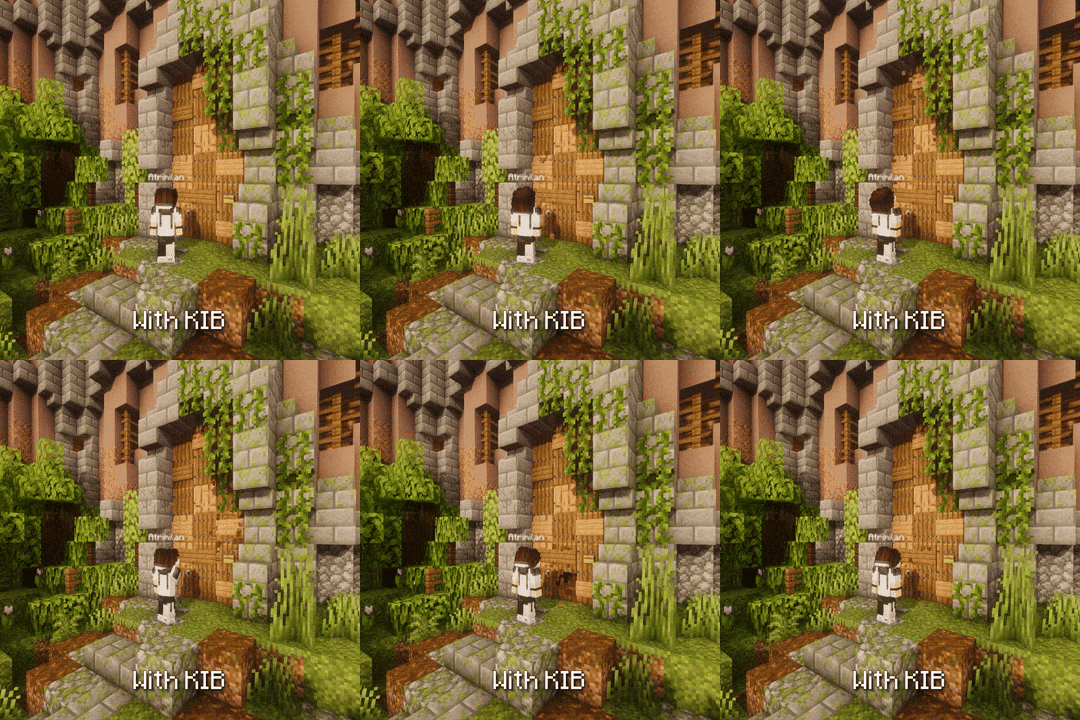 | 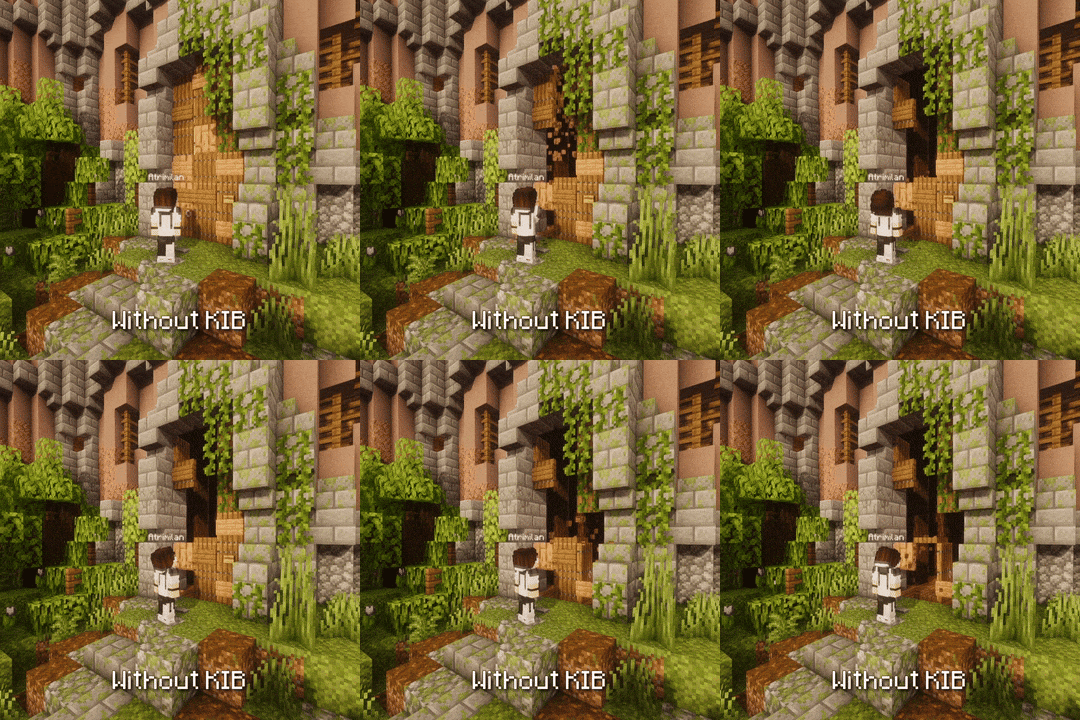 |
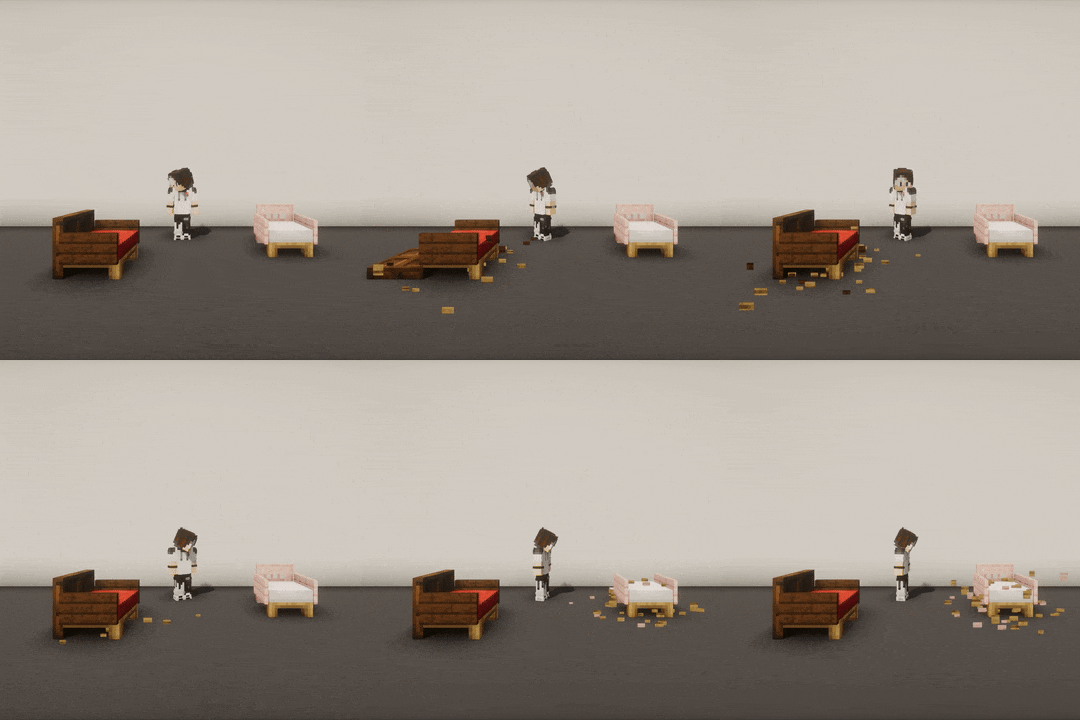
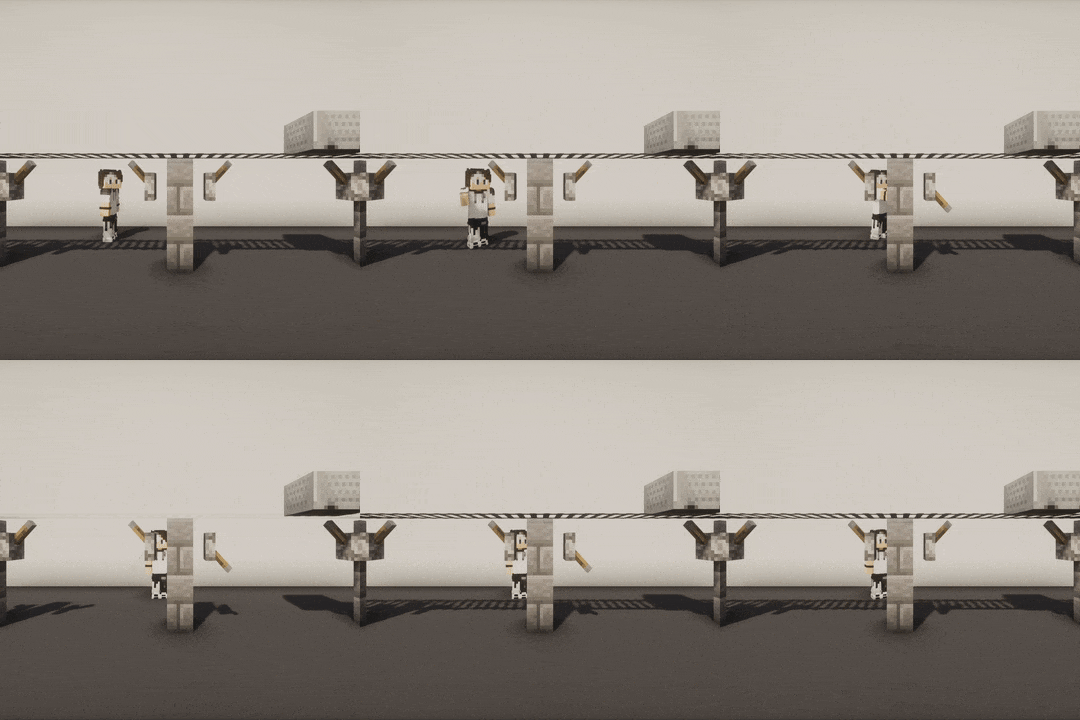
🖼️ Click to see more examples
There you go  :
 |  |  |
 |  |  |
 |  |  |
So what's the point?
A "reactive block" is a block that naturally updates or breaks due to Minecraft physics when an adjacent block is
modified. When using tools like a Debug Stick or plugins such as WorldEdit or Axiom, you can place a reactive block in a
way the game's physics would not normally allow. However, if an adjacent block is updated, the reactive block will
either break or reset to its natural state.
An "interactable block" is a block that a player can directly interact with by right-clicking. If reactive blocks
are adjacent to an interactable block, they may break or update when the interactable is used.
When a reactive block breaks or updates, adjacent reactive blocks can be affected too, causing a chain reaction.
→ This plugin fixes this behavior by restoring broken or updated reactive blocks.
🔵 List of reactive material categories
List of reactive material categories that are automatically restored by KIB when broken or updated:
amethyst-clustersbamboosbannersbedsbellscactuscakescarpetscave-vines- Cave vines + Cave vine plantschorus-plants- Chorus plants only (chorus flowers are not supported yet)cocoacropscomparatorscorals- Does not apply to waterlogged coralsdead-bushesdoorsdripleavesfences- Fences + Iron bars + Copper barsferns- Ferns + Large fernsflowersfrogspawnfungusglass-panesglow-lichensgrasshanging-rootshanging-signsladderslanternsleaf-litterslily-padsmangrove-propagulesmushroomsnether-rootsnether-sproutsnether-wartspressure-platesrailsredstone-wiresrepeaterssaplingsscaffoldingsculk-veinssea-picklessignssnowspeleothems- Pointed dripstones + Sulfur spikessugar-canessweet-berry-bushesswitches- Levers + Stone buttons + Wooden buttonstorchestripwire-hookstwisting-vines- Twisting vines + Twisting vine plantsvineswallsweeping-vines- Weeping vines + Weeping vine plants
🔴 List of interactable material categories
List of interactable material categories recorded by KIB:
campfirescandlescauldronscave-vines- Taking vine berries (Cave vines + Cave vine plants)chiseled-bookshelves- Putting or taking a book from a chiseled bookshelfcomparatorscomposterscopper-blocks- Non-plain copper blocks that can be waxed or scrapeddaylight-detectorsdoorsend-portal-framesgateslecterns- Putting a book on a lecternleversrepeatersstone-buttonssweet-berry-bushes- Taking bush berriestrap-doorswooden-buttons
🤔 Here are a few examples
- Place a torch on a door. When you open the door, the torch breaks.
→ The torch is "reactive", the door is "interactable". - Stack multiple doors vertically and open the bottom one. All doors above break.
→ All doors are "reactive", the bottom door is the "interactable" one. - Place a row of walls, then use a Debug Stick to create crenels, and use Axiom to add a button on each. When you press
one button, all buttons break and all wall connections reset to their normal state.
→ Walls and buttons are "reactive", the pressed button is also "interactable".
NOTE - KIB does not support underwater restorations. This is why
seagrassandkelpare not included in the
reactive material list.
WARNING - Even after being restored by KIB, some reactive blocks will still update naturally, such as cactus
breaking as they grow, or coral dying when not waterlogged. This is the default behavior of the game, KIB will NOT
prevent this, even if they were initially placed using plugins like WorldEdit or Axiom (which rely on advanced chunk
management systems).
Why would I need it?
This may seem niche, but it can be very useful for specific builds made using plugins like WorldEdit or Axiom,
especially when using custom resource packs that significantly change block textures and models.
This may also interest you if other players come onto your map and are likely to interact with your builds and break
everything accidentally... 
How do I configure?
In your server directory, you can edit ./plugins/KeepIllegalBlocks/config.yml to:
- Blacklist some reactive or interactable materials (everything is enabled by default)
- Change the maximum number of reactive blocks to restore (default: 500)
- Only allow KIB in creative mode (default: true)
- Use PacketEvents if it is detected (default: true)
To reload your configuration, use the /kib reload command (it requires the kib.reload permission for a non-op
player).
Can the restoration be any smoother?
Yes, PacketEvents is highly recommended to improve client-side rendering
and performance.
It is automatically detected by KIB, and it is used to tweak network packets and make restorations completely
transparent by canceling reactive block break sounds and particles, as well as hiding flickering during restoration.
To find out which version of PacketEvents is recommended, check the “Dependencies” section for the version of KIB you
want to install.
FAQ
Why doesn't KIB restore my blocks when I break an adjacent block?
KIB does not trigger when you break blocks manually (left-click); it only restores blocks that were accidentally
broken as a result of an interaction (right-click). This could be an improvement area, but I don't have time to work
on it at the moment. However, Axiom has a "No update" feature for this use case.
Similar projects
Plugin →VeinMiner
Mine the whole vein on mining a single ore/block. Make the tedious mining experience to something satisfying and fun! FTB Ultimine alternative
99.3MSueta
Simple Voice Chat
A working voice chat in Minecraft!
76.8MSueta
Chunky
Pre-generates chunks, quickly and efficiently
18.4MSueta
VeinMiner Enchantment
Veinminer Addon - Adds vineminer enchantment to enchanting tables. Only tools with the enchantment can veinmine
18MSueta
JourneyMap
Real-time map used for mapping in-game or your browser as you explore.
14.7MSueta
WorldEdit
A Minecraft Map Editor... that runs in-game! With selections, schematics, copy and paste, brushes, and scripting. Use it in creative, or use it temporarily in survival.
11.6MSueta